Water is one of our most important resources and managing it sustainably means planning not just for today, but for the future. Sustainable water management considers the entire water system.
From our natural resources and infrastructure to our communities and future water demands. Looking ahead helps us build more resilient water systems for generations to come.
Scroll to learn why sustainable water management matters and how engineering makes it possible.
1. What is Sustainable Water Management?
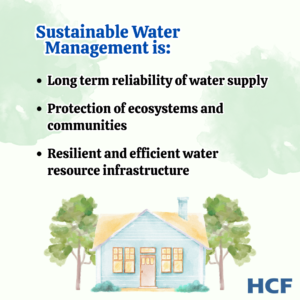
2. Sustainable Water Management is…
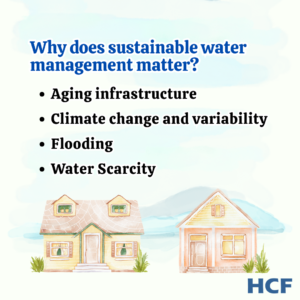
3. Why does sustainable water management matter?
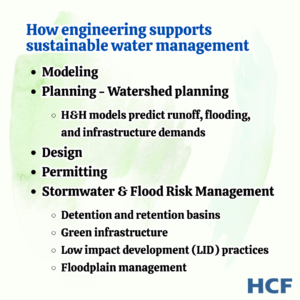
4. How engineering supports sustainable water management.
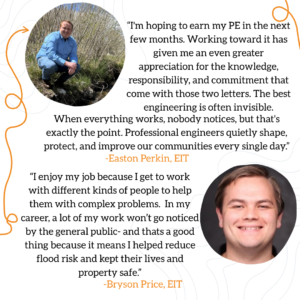
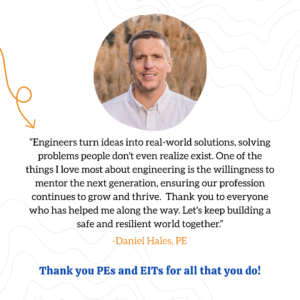
Happy Professional Engineer Appreciation Day! Today, we celebrate our licensed engineers, the ones who bring precision, integrity, and vision to every project. Thank you for building a better tomorrow, one calculation at a time.
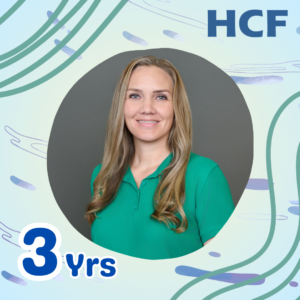
Cheers to three years!🎉 Happy Work-iversary Heather Wood!
Heather’s positive attitude and fun energy make every day brighter, and her willingness to jump in and support our team never goes unnoticed. She’s someone we can always count on and we couldn’t be more fortunate to celebrate her and her accomplishments. Thank you for all that you do and continue to achieve! 💙
This month and year marks an exciting milestone for HCF…we’re celebrating 10 years in business.
When HCF was founded in 2016, the vision was simple: build a firm centered on technical excellence, strong relationships, and exceptional client service. From the very beginning, our founder, Daniel Hales, understood that great engineering is about more than design, it starts with listening, building trust, and developing lasting partnerships. His passion for connecting with people and cultivating relationships has been instrumental in shaping HCF into the company it is today.
Over the past decade, we’ve had the privilege of working on projects that improve communities, restore natural resources, strengthen critical infrastructure, and serve clients across the western United States. Every project has presented new opportunities to learn, grow, and collaborate with incredible owners, contractors, architects, and industry partners.
Most importantly, none of this would have been possible without our outstanding team. Our employees bring dedication, expertise, and a genuine commitment to serving our clients every day. Their hard work and professionalism are the foundation of HCF’s success.
To our clients, teaming partners, and friends—thank you. Your trust, support, and collaboration over the past ten years have meant everything to us. We are grateful for the opportunity to work alongside you and look forward to continuing these relationships for many years to come.
As we celebrate this milestone, we’re also looking ahead. We remain committed to delivering thoughtful engineering solutions, embracing new challenges, and continuing to build a firm our clients and employees are proud to be part of.
Thank you for being part of our first 10 years. Here’s to the next decade.
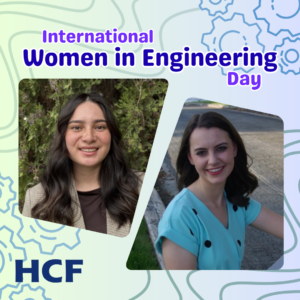
Building stronger communities starts with diverse perspectives. Today, we celebrate the women whose expertise, leadership, and hard work strengthen our industry.
We’re especially grateful for the women on our team who bring their knowledge, creativity, and passion to every project. Thank you for all that you do!
Every goal begins with proper project planning and site preparations!
Every successful project starts ling before the first shovel hits the ground. Proper planning and site preparations lay the foundation for achieving any goal!
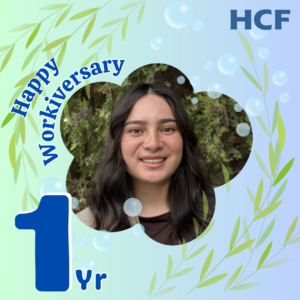
One year full of new experiences and growth, Happy Work-iversary, Daniela! Daniela’s hard work, commitment, and endless support have not gone unnoticed. Her consistent contribution continues to empower those around her and elevate our team to new found heights. She has quickly become an indispensable member of our team and we couldn’t be more grateful. Thank you for all that you continue to do, achieve, and accomplish!
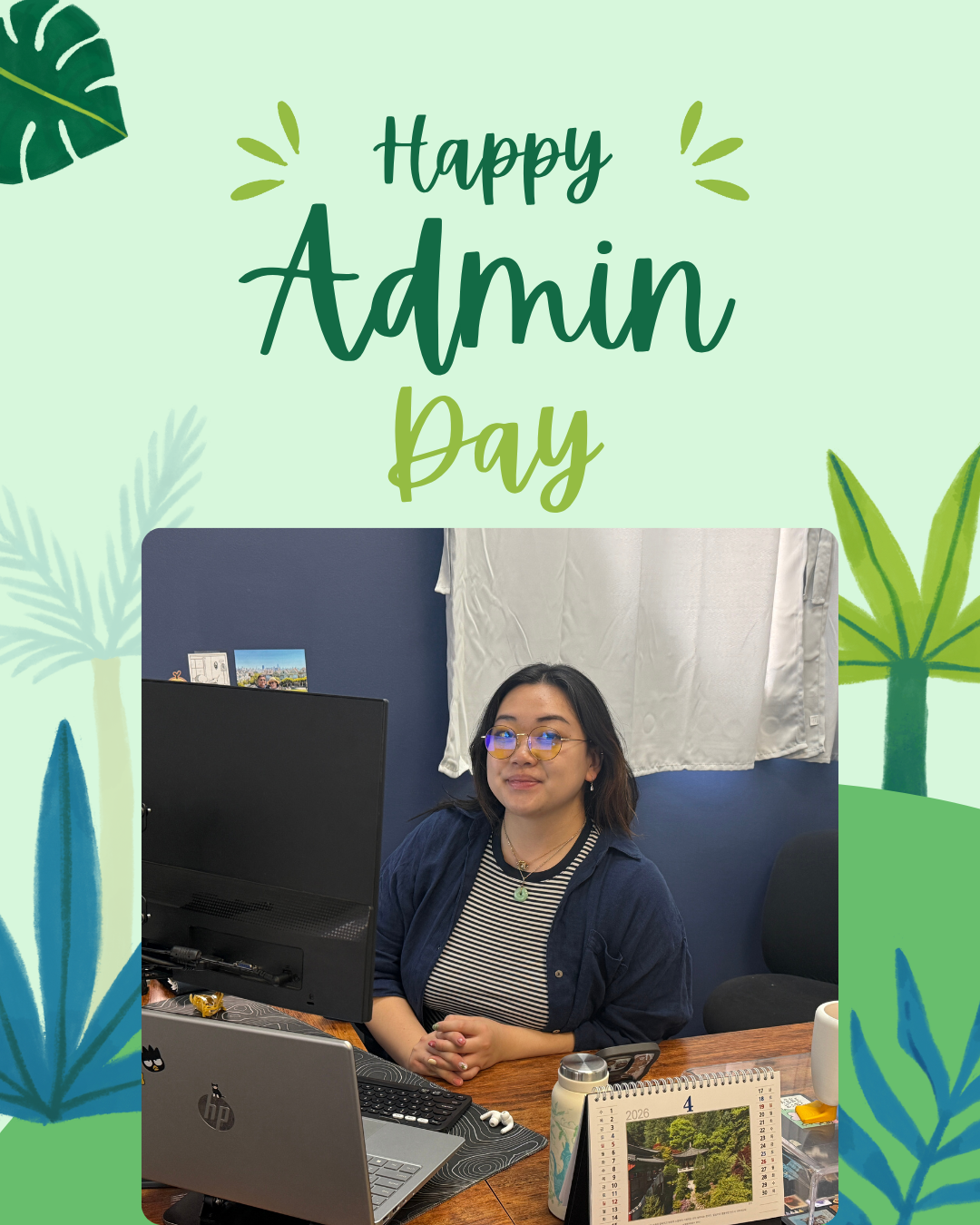
Happy Admin Professionals Day to the one who keeps everything (and everyone) on track…Erin. 🙌
From wrangling the details to creating next-level tracking spreadsheets we didn’t even know we needed, she’s the behind-the-scenes force that keeps things running smoothly.
We’re lucky to have her as part of the HCF team, both today (and every day). We appreciate all you do, Erin!
The U.S. Forest Service is relocating its headquarters to Salt Lake City, marking a significant shift in how federal land management agencies operate in the West. By moving leadership closer to the lands, communities, and infrastructure challenges they serve, this change has the potential to improve coordination, responsiveness, and long-term outcomes.
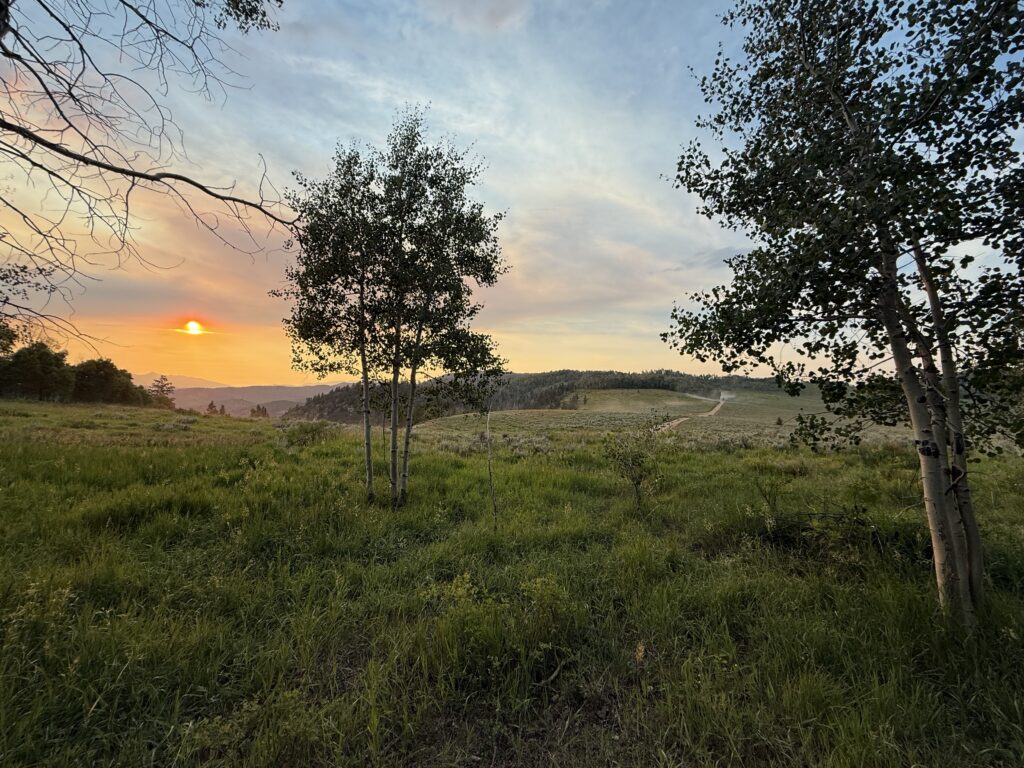
Photo Credit: Heather Wood
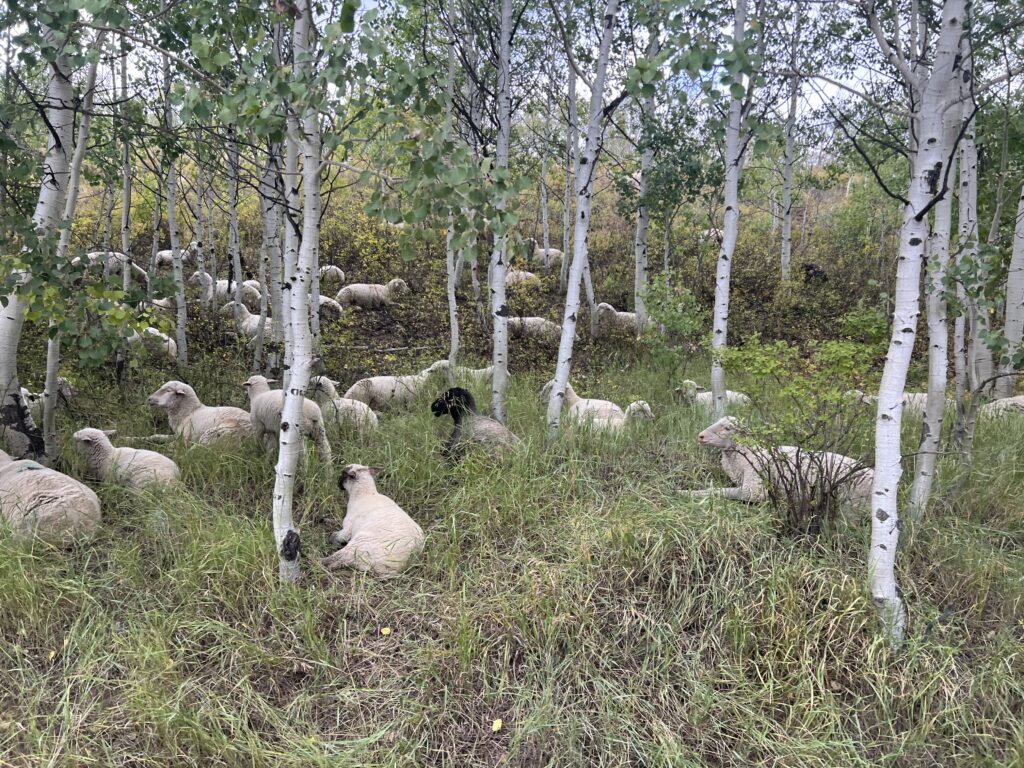
Photo Credit: Heather Wood
Why This Matters for Utah
Utah is uniquely positioned for this transition. Approximately 23 million acres—about 65% of the state—are federally managed. Of that, roughly 8 million acres are National Forest lands. These lands span an incredibly diverse landscape, from high alpine forests and mountain watersheds to arid deserts and rapidly growing communities.
This diversity brings both opportunity and complexity. Managing water resources, mitigating flood risk, supporting recreation, and protecting natural systems all require thoughtful, locally informed solutions. Having federal leadership based in Utah helps bring decision-making closer to these real-world conditions.
What This Means for Small Businesses
For small businesses that support federal agencies, this shift is more than symbolic; it represents real opportunity.
Closer proximity to leadership can lead to:
Stronger relationships with agency staff
More efficient communication and coordination
Increased visibility into upcoming projects and priorities
Faster, more informed decision-making
As the Forest Service transitions to a more state-focused model, we anticipate greater collaboration at the local and regional level, particularly in areas like watershed management, stormwater infrastructure, and resilient site design.
How HCF Can Support this Change
At HCF, we specialize in water resources, drainage, and resilient site design. Our experience supporting federal, state, and local agencies positions us to contribute meaningfully as this transition unfolds.
We are particularly interested in supporting projects related to:
Stormwater management and drainage analysis
Flood mitigation and resilience planning
Infrastructure design in complex natural environments
Permitting and regulatory coordination
Let’s Connect
As the Forest Service establishes its presence in Salt Lake City, we see this as a pivotal moment for collaboration across the A/E/C industry.
We’re actively looking to connect with:
Federal partners navigating this transition
Prime consultants seeking experienced small business teammates
Agencies needing responsive, technically strong support on the ground
If you’re working in this space, we’d welcome the opportunity to connect and explore how we can work together.
Since the official PI Day was Saturday, March 14th, we decided to celebrate today with some homemade, store-bought, and Whoopie pies all the way from South Korea. Pi day is the celebration of the mathematical constant 3.14159… for engineers, it represents the fundamental connection between mathematics and practical applications, such as calculating circular structures. It’s also just a great excuse to eat pie.