
The U.S. Forest Service is relocating its headquarters to Salt Lake City, marking a significant shift in how federal land management agencies operate in the West. By moving leadership closer to the lands, communities, and infrastructure challenges they serve, this change has the potential to improve coordination, responsiveness, and long-term outcomes.
Why This Matters for Utah
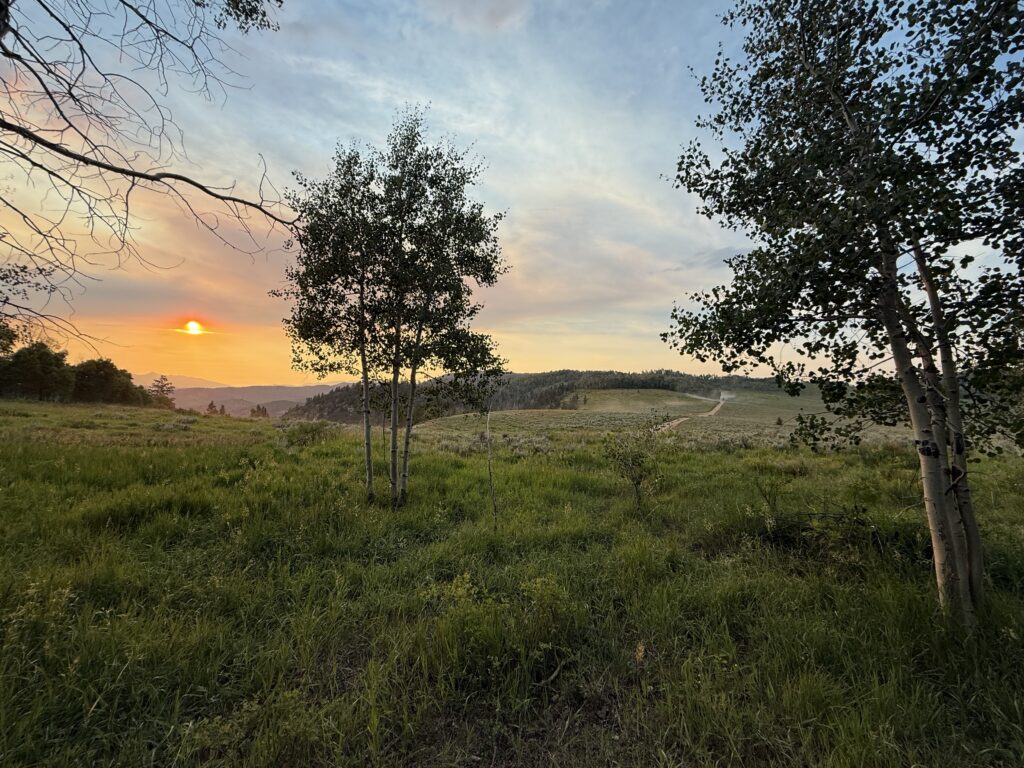
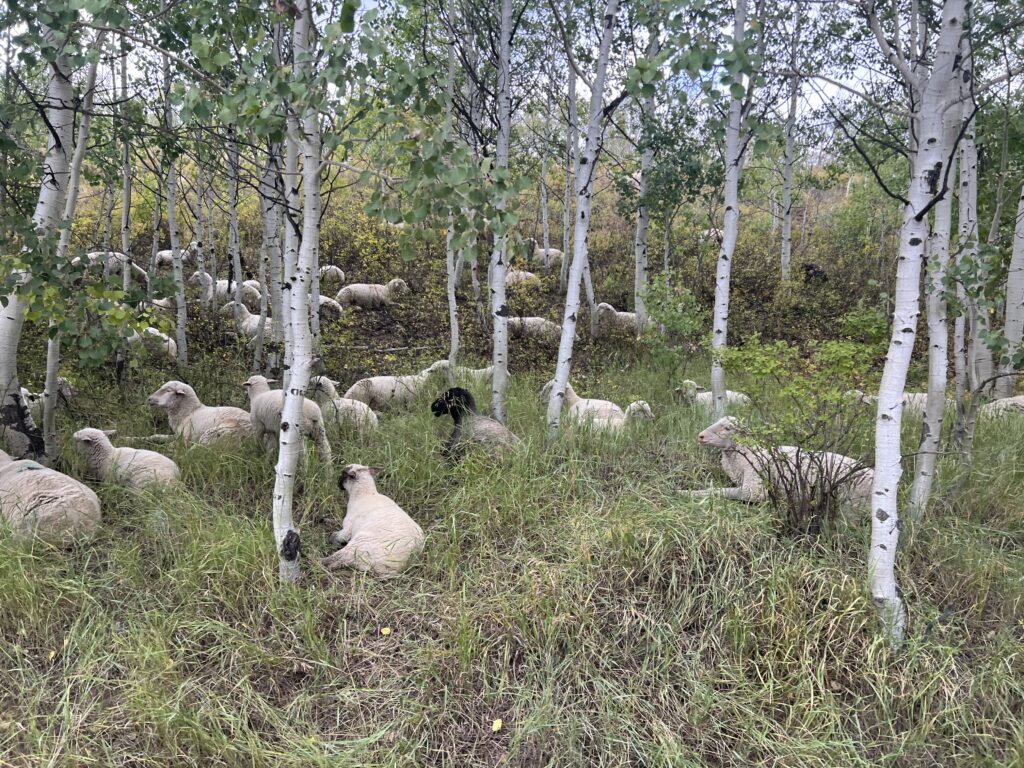
Utah is uniquely positioned for this transition. Approximately 23 million acres—about 65% of the state—are federally managed. Of that, roughly 8 million acres are National Forest lands. These lands span an incredibly diverse landscape, from high alpine forests and mountain watersheds to arid deserts and rapidly growing communities.
This diversity brings both opportunity and complexity. Managing water resources, mitigating flood risk, supporting recreation, and protecting natural systems all require thoughtful, locally informed solutions. Having federal leadership based in Utah helps bring decision-making closer to these real-world conditions.
What This Means for Small Businesses
For small businesses that support federal agencies, this shift is more than symbolic; it represents real opportunity.
Closer proximity to leadership can lead to:
- Stronger relationships with agency staff
- More efficient communication and coordination
- Increased visibility into upcoming projects and priorities
- Faster, more informed decision-making
As the Forest Service transitions to a more state-focused model, we anticipate greater collaboration at the local and regional level, particularly in areas like watershed management, stormwater infrastructure, and resilient site design.
How HCF Can Support this Change
At HCF, we specialize in water resources, drainage, and resilient site design. Our experience supporting federal, state, and local agencies positions us to contribute meaningfully as this transition unfolds.
We are particularly interested in supporting projects related to:
- Stormwater management and drainage analysis
- Flood mitigation and resilience planning
- Infrastructure design in complex natural environments
- Permitting and regulatory coordination
Let’s Connect
As the Forest Service establishes its presence in Salt Lake City, we see this as a pivotal moment for collaboration across the A/E/C industry.
We’re actively looking to connect with:
- Federal partners navigating this transition
- Prime consultants seeking experienced small business teammates
- Agencies needing responsive, technically strong support on the ground
If you’re working in this space, we’d welcome the opportunity to connect and explore how we can work together.
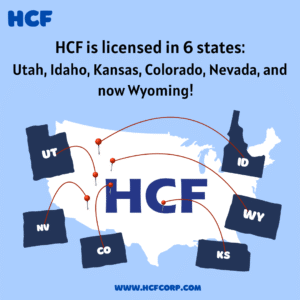
 Now licensed in: UT | ID | NV | WY | CO | KS


