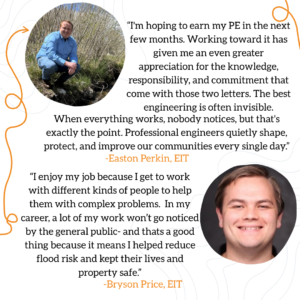
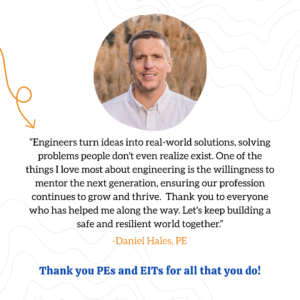
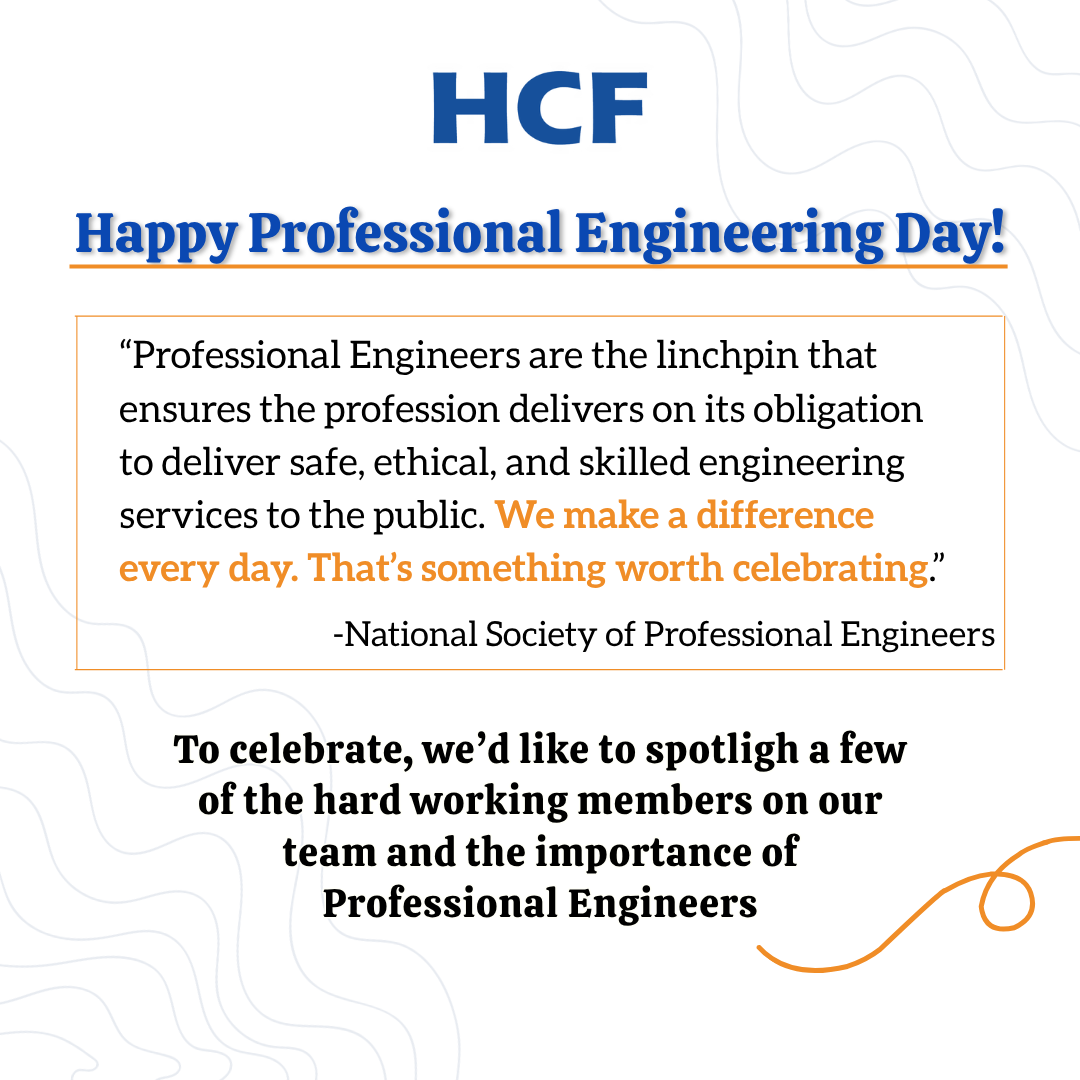
Happy Professional Engineer Appreciation Day! Today, we celebrate our licensed engineers, the ones who bring precision, integrity, and vision to every project. Thank you for building a better tomorrow, one calculation at a time. 


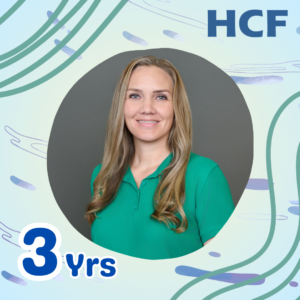
Cheers to three years!🎉 Happy Work-iversary Heather Wood!
Heather’s positive attitude and fun energy make every day brighter, and her willingness to jump in and support our team never goes unnoticed. She’s someone we can always count on and we couldn’t be more fortunate to celebrate her and her accomplishments. Thank you for all that you do and continue to achieve! 💙
This month and year marks an exciting milestone for HCF…we’re celebrating 10 years in business.
When HCF was founded in 2016, the vision was simple: build a firm centered on technical excellence, strong relationships, and exceptional client service. From the very beginning, our founder, Daniel Hales, understood that great engineering is about more than design, it starts with listening, building trust, and developing lasting partnerships. His passion for connecting with people and cultivating relationships has been instrumental in shaping HCF into the company it is today.
Over the past decade, we’ve had the privilege of working on projects that improve communities, restore natural resources, strengthen critical infrastructure, and serve clients across the western United States. Every project has presented new opportunities to learn, grow, and collaborate with incredible owners, contractors, architects, and industry partners.
Most importantly, none of this would have been possible without our outstanding team. Our employees bring dedication, expertise, and a genuine commitment to serving our clients every day. Their hard work and professionalism are the foundation of HCF’s success.
To our clients, teaming partners, and friends—thank you. Your trust, support, and collaboration over the past ten years have meant everything to us. We are grateful for the opportunity to work alongside you and look forward to continuing these relationships for many years to come.
As we celebrate this milestone, we’re also looking ahead. We remain committed to delivering thoughtful engineering solutions, embracing new challenges, and continuing to build a firm our clients and employees are proud to be part of.
Thank you for being part of our first 10 years. Here’s to the next decade.
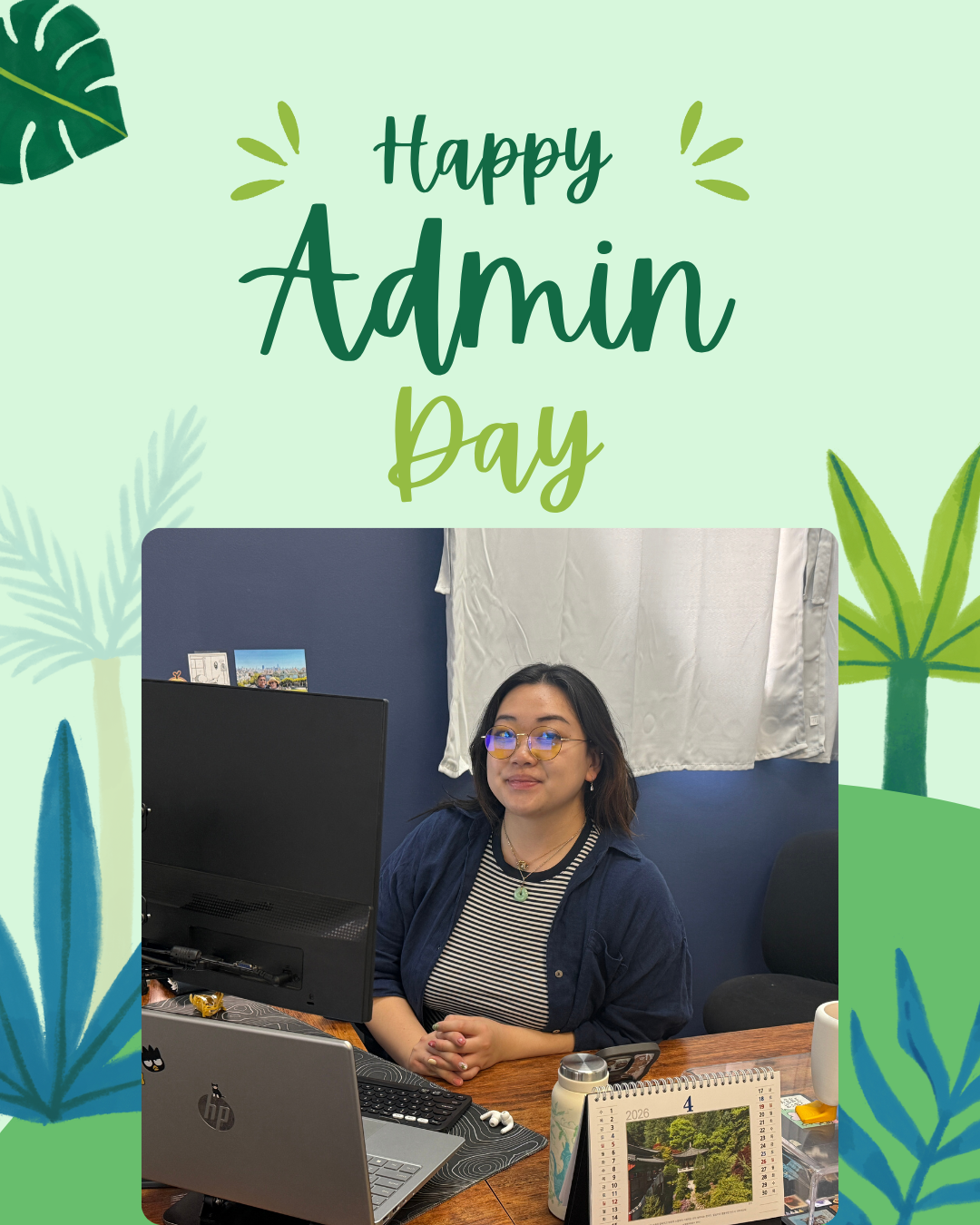
Happy Admin Professionals Day to the one who keeps everything (and everyone) on track…Erin. 🙌
From wrangling the details to creating next-level tracking spreadsheets we didn’t even know we needed, she’s the behind-the-scenes force that keeps things running smoothly.
We’re lucky to have her as part of the HCF team, both today (and every day). We appreciate all you do, Erin!
The U.S. Forest Service is relocating its headquarters to Salt Lake City, marking a significant shift in how federal land management agencies operate in the West. By moving leadership closer to the lands, communities, and infrastructure challenges they serve, this change has the potential to improve coordination, responsiveness, and long-term outcomes.
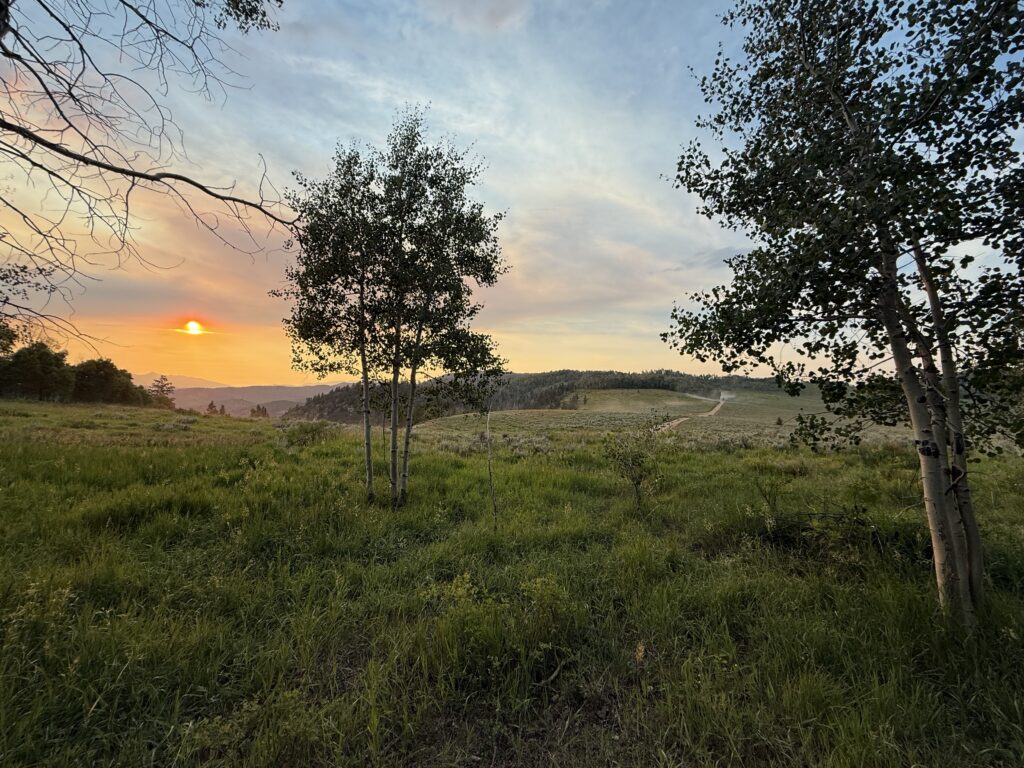

Utah is uniquely positioned for this transition. Approximately 23 million acres—about 65% of the state—are federally managed. Of that, roughly 8 million acres are National Forest lands. These lands span an incredibly diverse landscape, from high alpine forests and mountain watersheds to arid deserts and rapidly growing communities.
This diversity brings both opportunity and complexity. Managing water resources, mitigating flood risk, supporting recreation, and protecting natural systems all require thoughtful, locally informed solutions. Having federal leadership based in Utah helps bring decision-making closer to these real-world conditions.
For small businesses that support federal agencies, this shift is more than symbolic; it represents real opportunity.
Closer proximity to leadership can lead to:
As the Forest Service transitions to a more state-focused model, we anticipate greater collaboration at the local and regional level, particularly in areas like watershed management, stormwater infrastructure, and resilient site design.
At HCF, we specialize in water resources, drainage, and resilient site design. Our experience supporting federal, state, and local agencies positions us to contribute meaningfully as this transition unfolds.
We are particularly interested in supporting projects related to:
As the Forest Service establishes its presence in Salt Lake City, we see this as a pivotal moment for collaboration across the A/E/C industry.
We’re actively looking to connect with:
If you’re working in this space, we’d welcome the opportunity to connect and explore how we can work together.

The AEC industry continues to see a shift toward alternative delivery methods, including Design-Build (DB), Progressive Design-Build (PDB), and CMGC/CMAR. These approaches are changing how project teams collaborate, pursue work, and deliver infrastructure projects.
A recent SMPS Utah event explored how these delivery methods impact marketing teams, pursuit strategies, and collaboration across engineering, construction, and design disciplines.
The session featured Melanie Nelsen, CPSM, Regional Marketing Leader, and Alexandra Smith, Senior Marketing Coordinator, at Horrocks. They shared insights from their experience supporting complex alternative delivery pursuits nationwide.
Design-Build: Not as New as It Sounds
While design-build may feel like a relatively new trend in public infrastructure procurement, the concept itself has existed for centuries.
During the presentation, the speakers highlighted historical examples of early design-build collaboration, including the Cathedral of Santa Maria del Fiore in Florence and the Acropolis in Athens. These iconic landmarks required close coordination between designers, engineers, and builders: much like today’s integrated project teams.
Having visited both sites in the past, it was interesting to reflect on them from a new perspective. These projects serve as a reminder that collaboration between design and construction professionals has long been essential to delivering complex structures.
Historic Examples of Design-Build Collaboration

Why Alternative Delivery Is Growing
More public agencies are adopting design-build and progressive design-build because they encourage earlier collaboration between designers and contractors. By bringing the full team together earlier in the process, projects can benefit from:
These benefits are particularly valuable for complex infrastructure projects, where cross-disciplinary coordination is critical.
The Value of Collaboration
Alternative delivery projects often move quickly and require a high level of coordination among team members. While the pursuit process can be intense, it also provides valuable opportunities for learning and collaboration.
For engineering firms, participating on integrated teams allows designers to gain deeper insight into how design decisions influence construction methods, project costs, and overall project success.
Looking Ahead
Across the industry, the continued shift toward DB and PDB delivery methods is reshaping how teams pursue and deliver infrastructure projects. As these models become more common, strong collaboration between engineering, construction, and client teams will remain a key factor in successful outcomes. At HCF, we have gained valuable information and experience while being on many different design-build teams.
While delivery methods continue to evolve, the core idea behind design-build: close collaboration between those who design and those who build, has been shaping great projects for thousands of years.

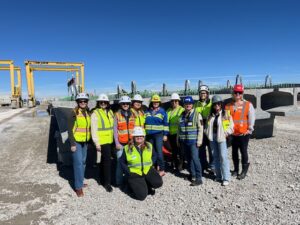
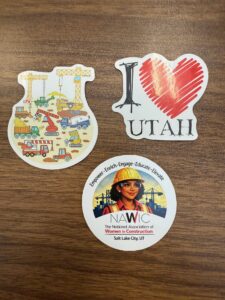
Concrete is pretty cool. Heather Wood had the opportunity this week to tour the Contech Engineered Solutions facility as they hosted an event for Women in Construction week. She learned a lot about pre cast concrete and all the ways it can benefit a job. Happy WIC week and thank you to all the women who work everyday in construction.

In the AEC industry, growth looks different than it does in many other fields. It’s not just about winning work, it’s about building trust, understanding community needs, and helping technical expertise turn into real-world impact.
AEC growth professionals work at the intersection of people, strategy, and engineering. We listen first. We support technical teams. We help translate complex work into clear value for clients, partners, and the communities our projects serve.
At HCF, growth means more than proposals and pursuits (though those matter, too). It means:
Strong client relationships built on trust
Clear communication around technical solutions
Collaboration across disciplines
A shared commitment to quality and long-term impact
Some days, growth work looks like strategy and planning. Other days, it’s relationship-building, problem-solving, or supporting our engineers behind the scenes. Every day, it’s about helping great people do meaningful work.
We’re grateful for our team at HCF – engineers, designers, and staff who care deeply about collaboration, integrity, and delivering thoughtful solutions. The work we do together supports infrastructure, resilience, and communities across the regions we serve.
To all AEC growth professionals: thank you for the work you do to connect expertise with purpose. Your role helps shape not just projects, but outcomes that matter.
We’re excited to officially launch our blog—a space where we’ll share insights, project highlights, behind-the-scenes stories, and the occasional bad pun (you’ve been warned). At HCF, we’re passionate about designing safe, resilient infrastructure—but we’re just as passionate about connecting with people.
Whether you’re a fellow engineer, a city planner, a client, or just someone curious about what we do, this blog offers something valuable: technical know-how, helpful resources, and maybe even a laugh or two. You’ll find everything from water resources, deep dives, and civil design tips to lessons learned and real-world project experiences.
Thanks for joining us—let’s build something great together.