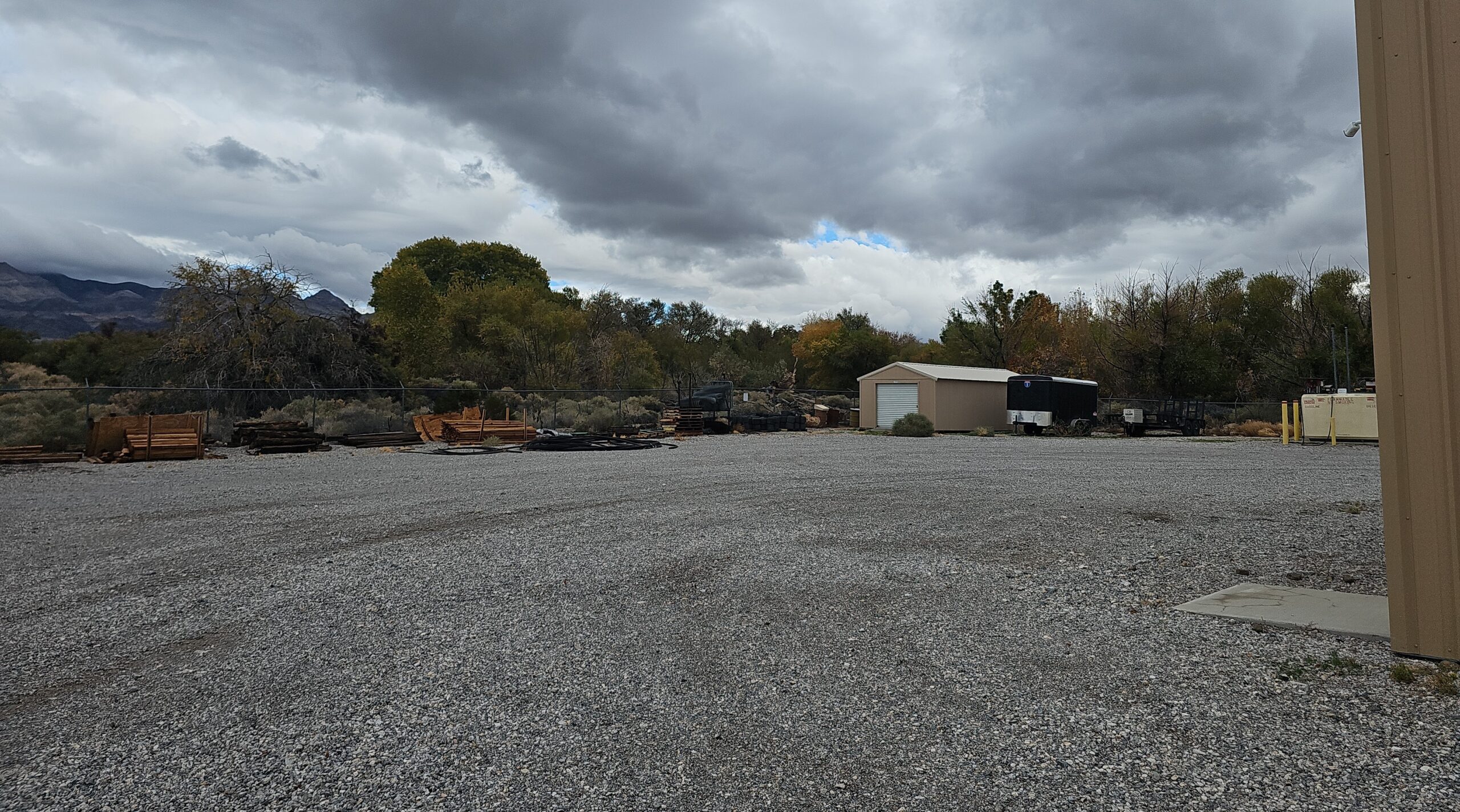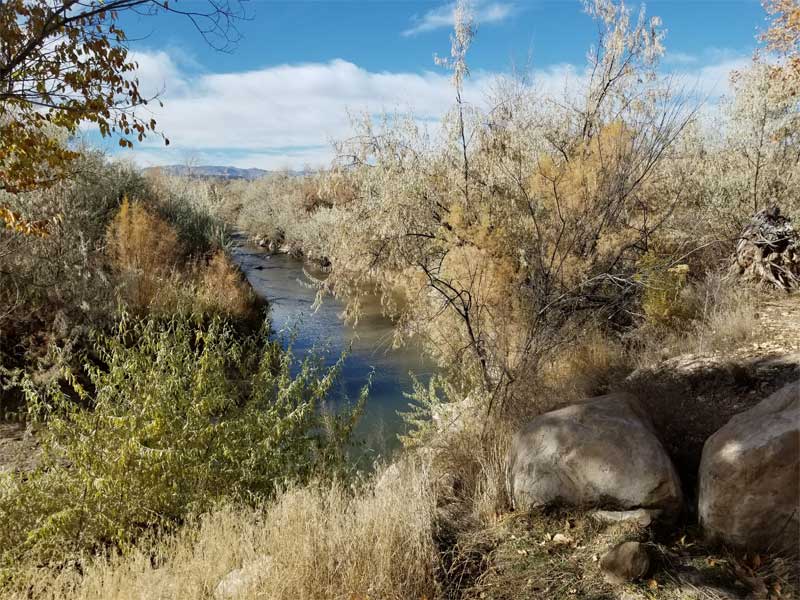
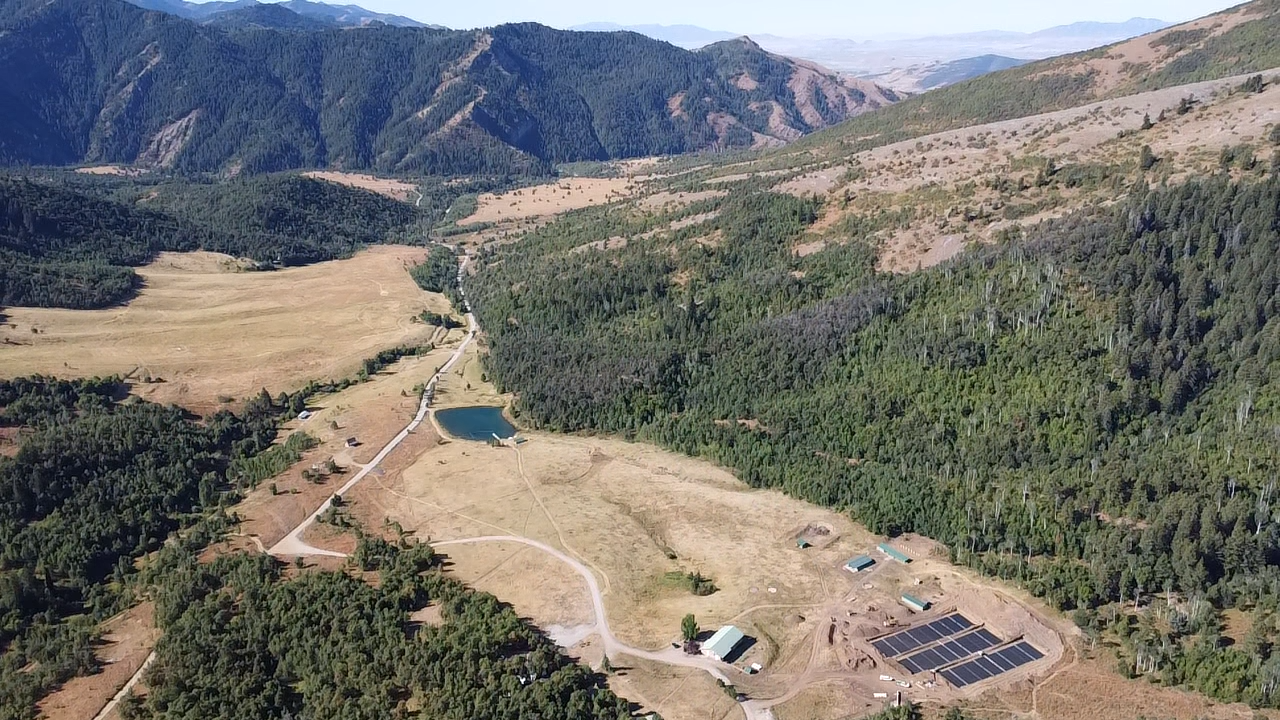
Pre-construction site conditions at Desert National Wildlife Refuge Fire Cache Station, Corn Creek Station, Nevada

Desert National Wildlife Refuge – Fire Cache & Bunkhouse

Desert National Wildlife Refuge – Fire Cache & Bunkhouse

Corn Creek Station, Lincoln County, Nevada

HCF served as the civil engineering design lead for the U.S. Fish and Wildlife Service (USFWS) Nevada Fire Zone Fire Complex, a federal design-build project located within the Desert National Wildlife Refuge at Corn Creek Field Station in Nevada. The project supports wildfire operations serving approximately 1.7 million acres of federally managed refuge lands and includes a new fire cache station and associated bunkhouse facilities.

HCF’s civil engineering scope included site grading, drainage analysis, utility infrastructure design, access roads, parking areas, concrete sidewalks, erosion control measures, and preparation of civil site development plans. HCF coordinated closely with the design-build contractor and a multi-disciplinary team (architect, MEP, structural, and archeology) through phased federal submittals at the 50%, 90%, and 100% design milestones. Additional services included design and permitting of the onsite septic system through the Southern Nevada Health District, wastewater demand calculations, and domestic water distribution system design using EPANet 2.2 hydraulic modeling to support reliable service in a remote refuge environment.

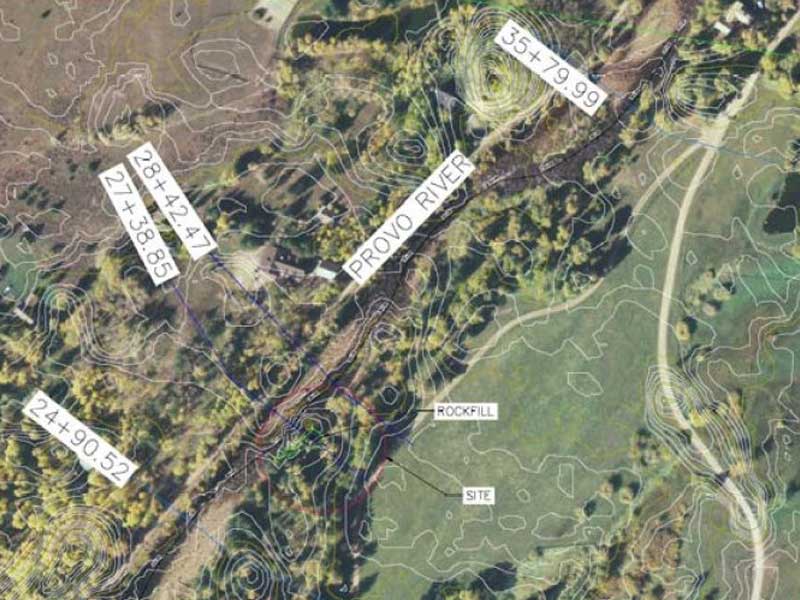
Site/ Modeling Plan along the Provo River

Sandlin

Sandlin – Upper Provo River Hydraulic Analysis

Summit County, Utah

HCF performed a hydraulic analysis of proposed channel and shoreline stabilization measures along the Upper Provo River in Summit County, Utah, evaluating potential impacts on the 100-year flood elevation. A HEC-RAS hydraulic model was developed to assess the effect of proposed rock armoring on river hydraulics, with a secondary steady-state analysis performed using FHWA Hydraulic Analysis Toolbox methods to provide a conservative comparison.

Publicly available DEM data and proposed design geometry were incorporated to simulate existing and post-construction conditions. Modeling results documented that the proposed stabilization improvements would not result in a meaningful increase in flood levels, supporting regulatory permitting and coordination with the Wasatch County Planning Department and other state agencies.

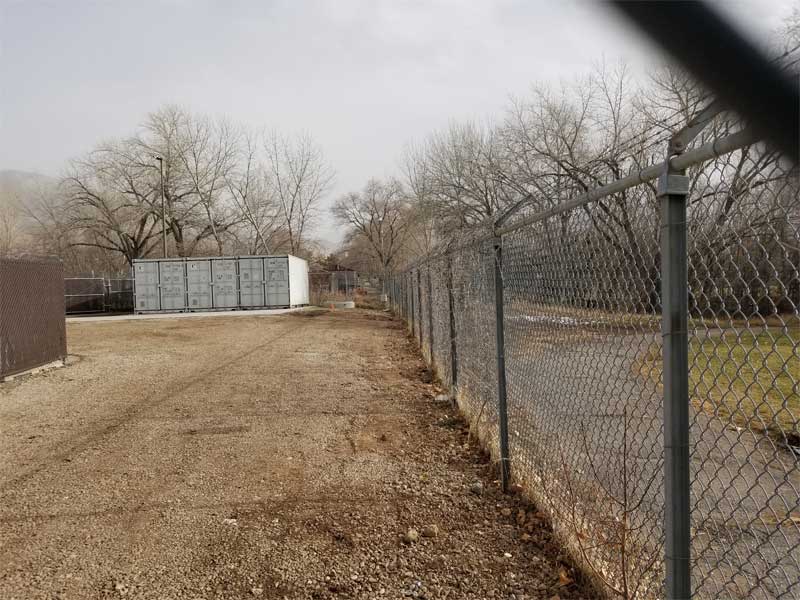
Cercla Project photo taken in the fall in Utah

Salt Lake City VAMC -CERCLA

SLC CERCLA Storage – VA Medical Center Site Design

Salt Lake City, Utah

HCF provided civil site design services for a CERCLA storage facility at the George E. Wahlen Department of Veterans Affairs Medical Center in Salt Lake City, Utah. The project required a detailed layout design to maximize the available area allotted by the VA, incorporating a 50-foot turning radius to accommodate large vehicles loading and unloading soil samples. An alternative drive-through configuration was also designed to provide additional operational flexibility.

HCF’s scope included surveying all existing site features, designing a concrete pad at appropriate grading and slope to conform with existing conditions, and coordinating around significant utility conflicts including 30-inch and 36-inch storm drains owned by Salt Lake City Public Utilities and a 6-inch gas line requiring 36 inches of vertical separation. The final design fit three connex box containers between an existing light pole and storm drain manhole while maintaining required clearances. HCF also managed the acquisition of all applicable environmental permits throughout the project.

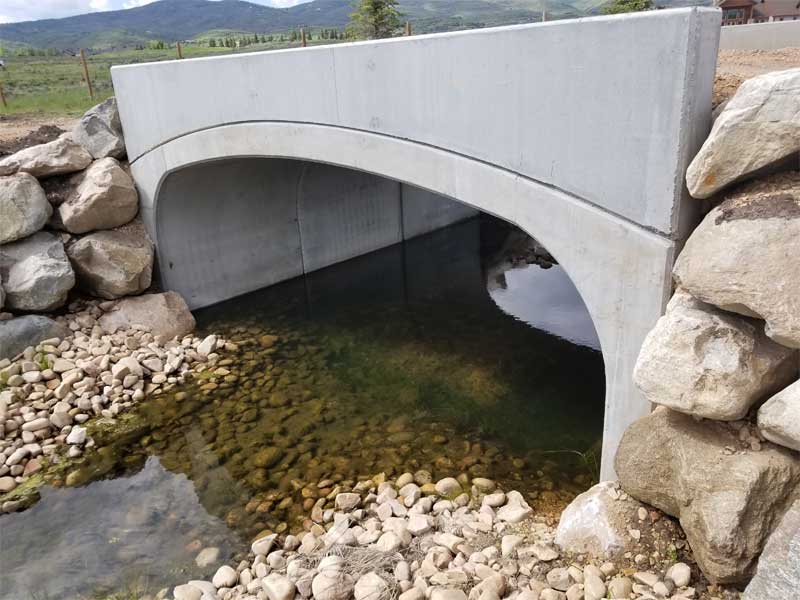
Bridge Photo with a small bridge over a creek with rocks.

Bitner Creek Crossing – Sloop

Bitner Creek Crossing – Site Infrastructure & Bridge Design

Summit County, Utah

HCF provided full civil development services for a private 10-acre property in Summit County, Utah, including the design of a 450-foot roadway and a 20-foot span bridge crossing over Bitner Creek. The creek is designated as a FEMA Zone AE waterway with an established floodway, requiring careful hydraulic consideration and regulatory coordination throughout the design process.

HCF’s scope included water line design featuring a 10-inch hot tap and service line, multiple valves, and thrust blocks. All water system appurtenances were designed in conformance with Mountain Regional Water District and Division of Water Quality standards, as well as American Public Works Association (APWA) and American Water Works Association (AWWA) standards, ensuring full regulatory compliance for this complex multi-discipline infrastructure project.

Price river site photo with river and foilage

Price River

Price River – CLOMR/LOMR Floodplain Analysis

Spring Glen, Utah

HCF performed hydraulic modeling and floodplain mapping to support a FEMA Conditional Letter of Map Revision (CLOMR) for a property largely located within the floodplain and floodway in Spring Glen, Utah. The project involved complex floodplain and floodway modification analysis to facilitate site development while ensuring no adverse impacts to adjacent properties or facilities.

HEC-RAS modeling was used to evaluate 100-year flood conditions and assess the effects of proposed fill and site modifications. Model results were mapped onto base mapping and used to support FEMA submittal documentation for floodplain and floodway revisions. Should the impacts of securing a CLOMR prove infeasible based on financial or risk factors, a Letter of Map Revision (LOMR) will be filed to narrow the floodway.

Site Photo with cliff and rocks with a steep embankment

Little Cottonwood Creek Tributary

Little Cottonwood Creek Tributary – Slope Mitigation

Cottonwood Heights, Utah

HCF provided an engineering evaluation of slope stability and structural support for an existing residence in Cottonwood Heights, Utah, in response to City review under the Sensitive Lands ordinance. Field observations and survey data were used to assess the relationship between the hillside, existing improvements, and the home’s structural zone of influence, confirming that slope conditions do not adversely affect the support of the residence. Based on conservative geometric assumptions and stability criteria, the home was determined to meet accepted static and seismic safety factors.

HCF’s scope also included preparation of grading and erosion control plans, development of rockery stability calculations, and coordination with project stakeholders to support City review and approval. The project emphasized restoring long-term slope stability through appropriate erosion control measures and revegetation of the disturbed hillside adjacent to the Little Cottonwood Creek tributary.